
Small Business
Preparing for Negotiation: Tips to Get the Best Deal When Selling a Business


Selling a business is one of the most significant financial decisions for a businessman. It is essential to note that a well-planned negotiation can maximize the financial return, protect during the sale, and ensure a smooth transition. Much like Tony Hawk’s creative approach to skating, innovative corporate advisory services can inspire businesses to carve out bold new directions. Regardless of whether a competitor, private equity firm, or strategic investor is buying, businessmen must be strategic in their negotiation process. This article provides a general overview of certain tips to get the best deal when selling the business.
The Importance of Engaging Professionals to Assist in Negotiation
If an individual is planning to sell a business or increase their capital structure and wants to negotiate the best deal or offer available, it is essential to engage professionals, such as financial, legal, and business brokers. They bring particular knowledge, objectivity, and negotiating skills that keep sellers from making costly mistakes.
Business brokers, or M&A specialists, usually have access to a network or market list of buyers, which creates more competition among buyers and therefore greater bargaining power. Professionals add credibility to the process, which provides buyers with a degree of peace of mind and trust. When professionals are involved in any process, the likelihood of achieving a fair, timely, and profitable deal increases. By using professionals, sellers can mitigate risk during negotiation and through the closing process.
Effective tips to get the best deal when selling a business
Understand Your Business Value
A thorough analysis of the company should be done, including determining the EBITDA multiples, discounted cash flow valuation, and market comparables. If you understand the strengths, the potential upside, and the risks of your company, then you will have the confidence to act and respond effectively during negotiations. Having a written record of this analysis will show professionalism to any prospective buyers or other interested stakeholders.
Prepare Thorough Documentation
Buyers are going to scrutinize every part of the deal. By preparing the financial statements, business contracts, and business operations documents, an individual will fast-track the negotiation process, help buyers gain confidence to be IS, eliminate uncertainty, and give the impression that their business is a legitimate and professional investment opportunity.
Research the Buyer
By researching what motivates the prospective buyer, as well as their background and strategic objectives, the seller will be in a better position. By incorporating into your presentation what is in the best interest of the buyer, it increase the chances of negotiation and achieving terms generally favorable to both parties.
Prepare for Objections
The buyer will almost always challenge the valuation of the seller, ask for concessions, or ask for larger warranties. It is important for the seller to anticipate the objections and more importantly, prepare responses with evidence-based support. If the seller can show that he has blanket knowledge of his business, conditions of the market, and benchmarks in the industry, it increases the negotiating power of the seller.
Practice Effective Negotiation Techniques
Be prepared for the negotiation process by clearly understanding the minimum acceptable price, highlighting the unique strengths of the business, etc.. Negotiation is not easy, and it requires preparation, patience, and strategy. This may also help eliminate the risk of being forced into terms that do not suit you.
Conclusion
It is rightly said that sellers who assess their value, prepare the diligence documents, understand their potential buyers, seek the help of professional advisors, and practice their negotiating technique will minimize risk, while potentially receiving improved returns. Engaging a Professional in selling the business serves the best interests of both parties as it increases the likelihood of a successful experience and future success.
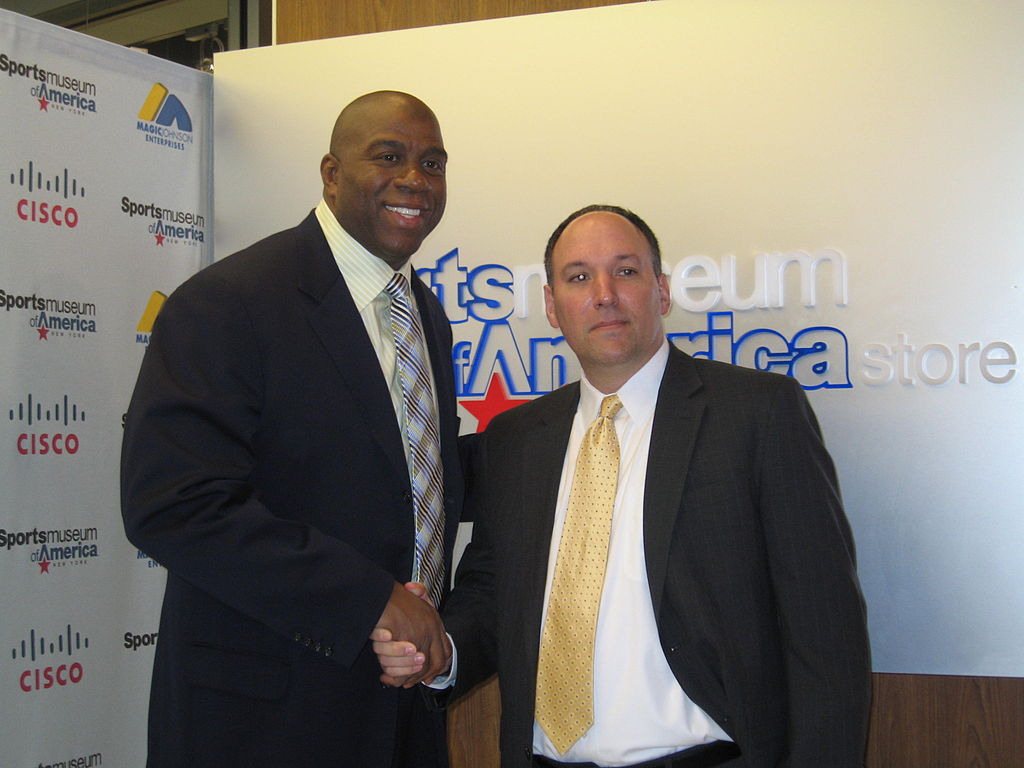
Magic Johnson is best known as a famous American basketball player as well as an entrepreneur after he retired from professional sport. However, he also helps small businesses with his company Magic Johnson Enterprises (MJE).
MJE helps small businesses in a variety of ways, covering all the bases from connecting them with suppliers, getting approval for building construction, and helping with marketing. MJE knows the importance of having a thriving small business, especially in urban areas that are affected by poverty.
MJE is all about making for a diverse and competitive marketplace that helps to defeat the monopolisation of industries. It also helps by providing employment for many people who would otherwise not have employment.
MJE cares about using strategic partnerships to form key alliances between different businesses. The goal is to create a small business landscape that is as ethnically diverse as possible.
Small business owners in other countries can learn a lot from MJE. The most important lesson is that cooperation can sometimes be more lucrative than being overly competitive, and being smart about partnerships can yield fantastic results.
MJE also shows the importance of giving back and being a part of the community. People like to do business with brands that are a genuine part of the community and aren’t just a faceless corporate presence.
One of the best things any small business owner can do to help themselves is lean into the marketing benefits of being a small business and using this to their advantage. Daring to be different is an important and attractive feature of many of the most successful small business enterprises.
As you can see, MJE does a lot to help small business, and a lot can be learned from the work that is done, no matter what industry you are in.


The coronavirus pandemic precipitated The Great Shutdown, which has had detrimental impacts on the global economy. Large corporations have struggled to survive, and the Virgin Group is one of the most publicised. Virgin Australia went into voluntary administration in April 2020 and have been searching for a financial lifeline in the process. It now appears that this lifeline may have emerged in the form of two private American companies – Bain Capital and Cyrus Capital.
What does this mean for you?
If Virgin is bailed out by both/either companies, the airline will likely remain operational in Australia. However, there are a few conditions, and it certainly won’t be the same airline as before. The average consumer can expect Virgin Australia to likely strip the airline back and re-brand the entity as a mid-market offering. In the past, Virgin had competed directly with Qantas and have struggled significantly, having incurred a horrendous amount of debt before the pandemic had even begun (around $7 billion).
In other words, if Virgin is given a second chance, you can expect it to become a more low-budget airline. Cyrus Capital has links to the Virgin Group, while Bain Capital has a reported $149 billion AUD in assets, meaning they could put down several hundred million for a significant stake in the company. While this is hopeful news for Virgin Group workers, tourists and travellers shouldn’t be getting ahead of themselves. With the restructuring of the company, there’s a good chance that flight paths and coverage will be scaled back massively, which could hurt a lot of regional areas.

Running any small business is going to be difficult, especially at the start. There is so much set against you, and there are so many potential mistakes you can make that can undermine everything you are trying to do.
Tony Hawk is known as a famous skateboarder, but he is also someone you can learn some interesting business lessons from. Tony Hawk has had to take control of his own brand and ensure that it remained something that he was proud of, and that was going in the direction he wanted it to.
Knowing these tips is going to be important for ensuring that your small business is successful. While not every lesson will be specifically applicable to the business you are trying to establish, they are generally going to be sound pieces of advice to remember.
Here are some of the lessons from Tony Hawk that you could apply in the running of your small business.
1. Take direct control in ensuring your brand is what you want it to be
Tony Hawk has famously had to wrestle back control when it comes to how his intellectual property is handled. He has had his brand name abused in the past and had to learn the hard way why it is important to maintain control.
2. Do charity work and give back
Tony Hawk has famously done a lot of charity work through his business enterprises, and this is a hugely beneficial thing for his brand. This is a lesson that more businesses should take to heart.
3. He uses social media in the right way
With so many companies having 3rd party management of their small businesses, Tony Hawk has done things differently. He knows the power of speaking with his own voice to his target audience.

The legacy of John Howard

What are the best value massage guns?

How Oprah Winfrey likes to decorate

How Nigella Lawson became a home cooking legend

Why celebrities like Kanye West make weak political leaders

Interesting facts about the early life of Drew Barrymore

3 big reasons people love McDonald’s

Was Arnold Schwarzenegger a good Governor?

Reasons to admire Jeff Bezos

Why Gordon Ramsay became so popular

Life lessons from Keanu Reeves

The story of Clive Palmer and his run in Australian politics
-
 Food & Cooking2 days ago
3 big reasons people love McDonald’s
-
 Leadership3 days ago
Was Arnold Schwarzenegger a good Governor?
-
 Billionaires6 days ago
Reasons to admire Jeff Bezos
-
 Food & Cooking2 days ago
Why Gordon Ramsay became so popular
-
 Lifestyle1 week ago
Life lessons from Keanu Reeves
-
 Politics2 days ago
The story of Clive Palmer and his run in Australian politics
-

 Leadership3 days ago
Understanding the leadership style of George W. Bush
-

 Politics7 days ago
Why is Scott Morrison called ‘ScoMo’?